







12 September, 2026

The first sample arrived looking beautiful.
The weave was neat, the color felt warm and natural, and the basket looked exactly right in the buyer’s showroom. Three months later, the full shipment told a different story. Some pieces leaned to one side. A few cartons carried a damp smell. The handles varied more than expected. The supplier replied politely, but no one could explain where the problem had begun.
This is the quiet fear behind many sourcing decisions. Finding someone who can make one attractive sample is not especially difficult. Finding a partner who can repeat that result across hundreds or thousands of handmade pieces, pack them for a long journey, document the order properly, and communicate before small issues become expensive ones is the real challenge.
If you are looking for a reliable handicraft manufacturer in Vietnam in 2026, the best question is not simply, “Can you make this?” Ask instead, “Can you show me how you will make this consistently, and what happens when reality does not follow the plan?”
That question changes everything.
Vietnam has something international homeware brands often struggle to find in one place: natural materials, skilled hands, flexible product development, and years of export experience.
Bamboo and rattan are among the country’s recognized strengths. At Ambiente Frankfurt in 2024, nearly 30 of the 56 participating Vietnamese businesses worked with bamboo and rattan products. The European Union also represented about 30 percent of Vietnam’s handicraft export market at that time, according to the Investment and Trade Promotion Centre of Ho Chi Minh City.
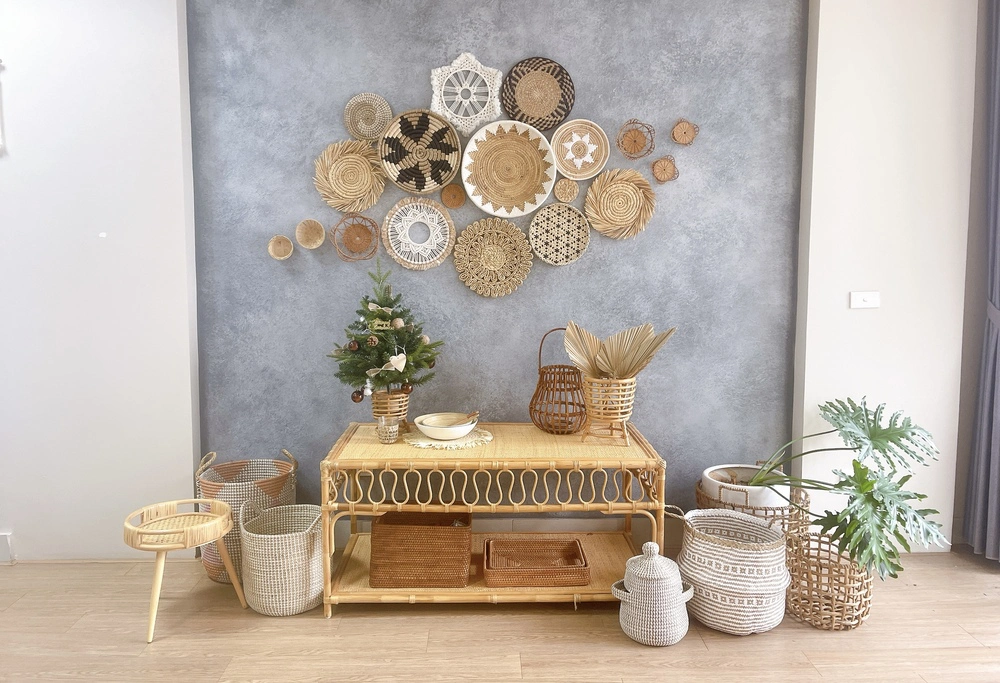
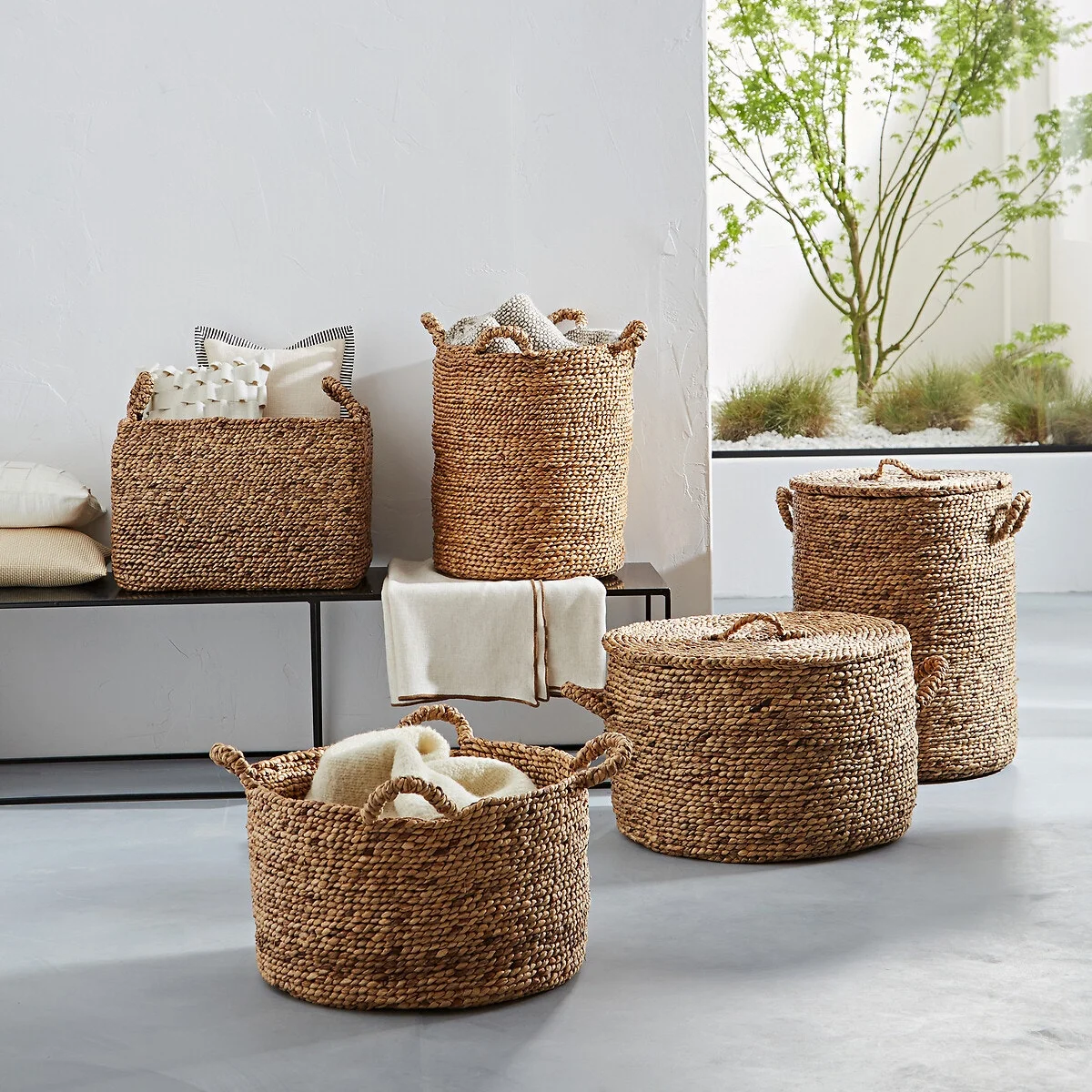
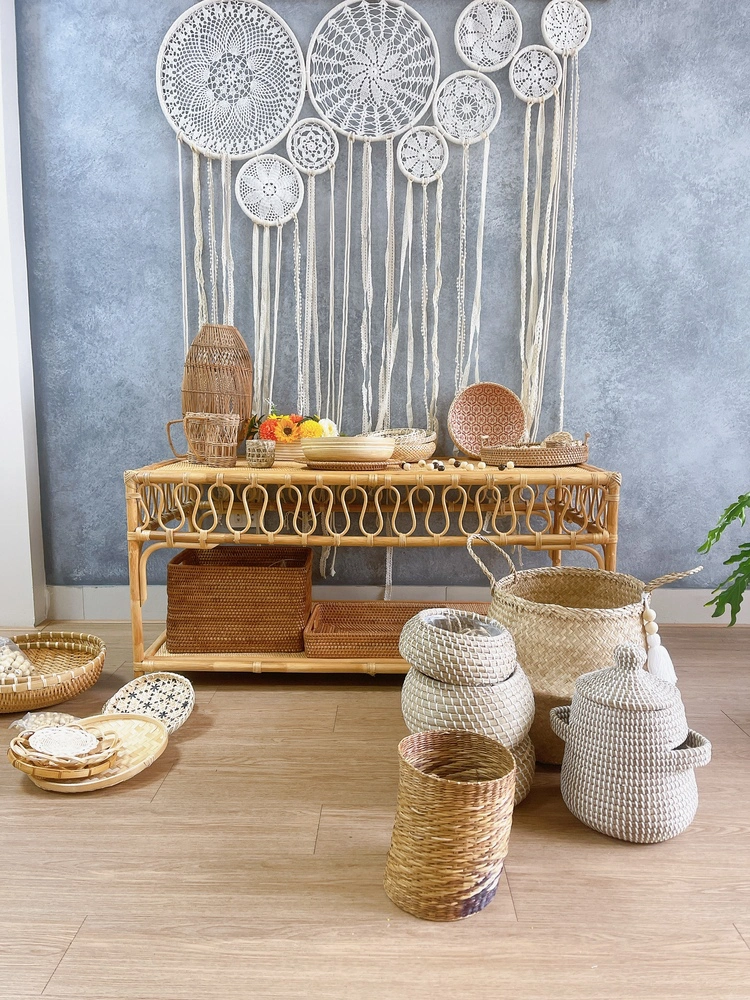
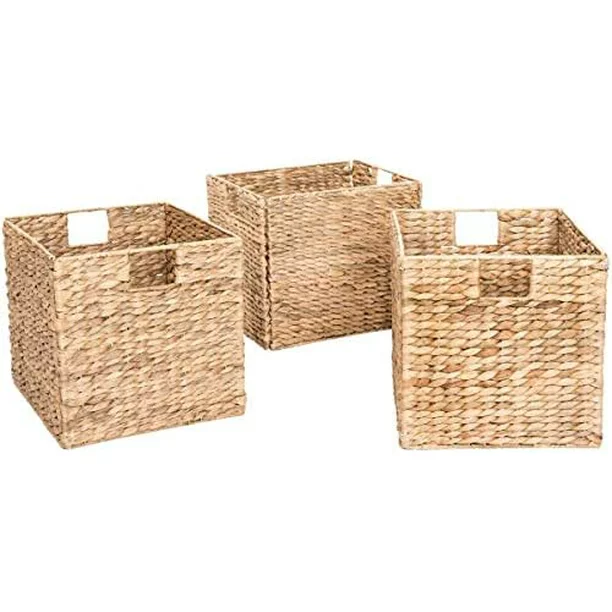
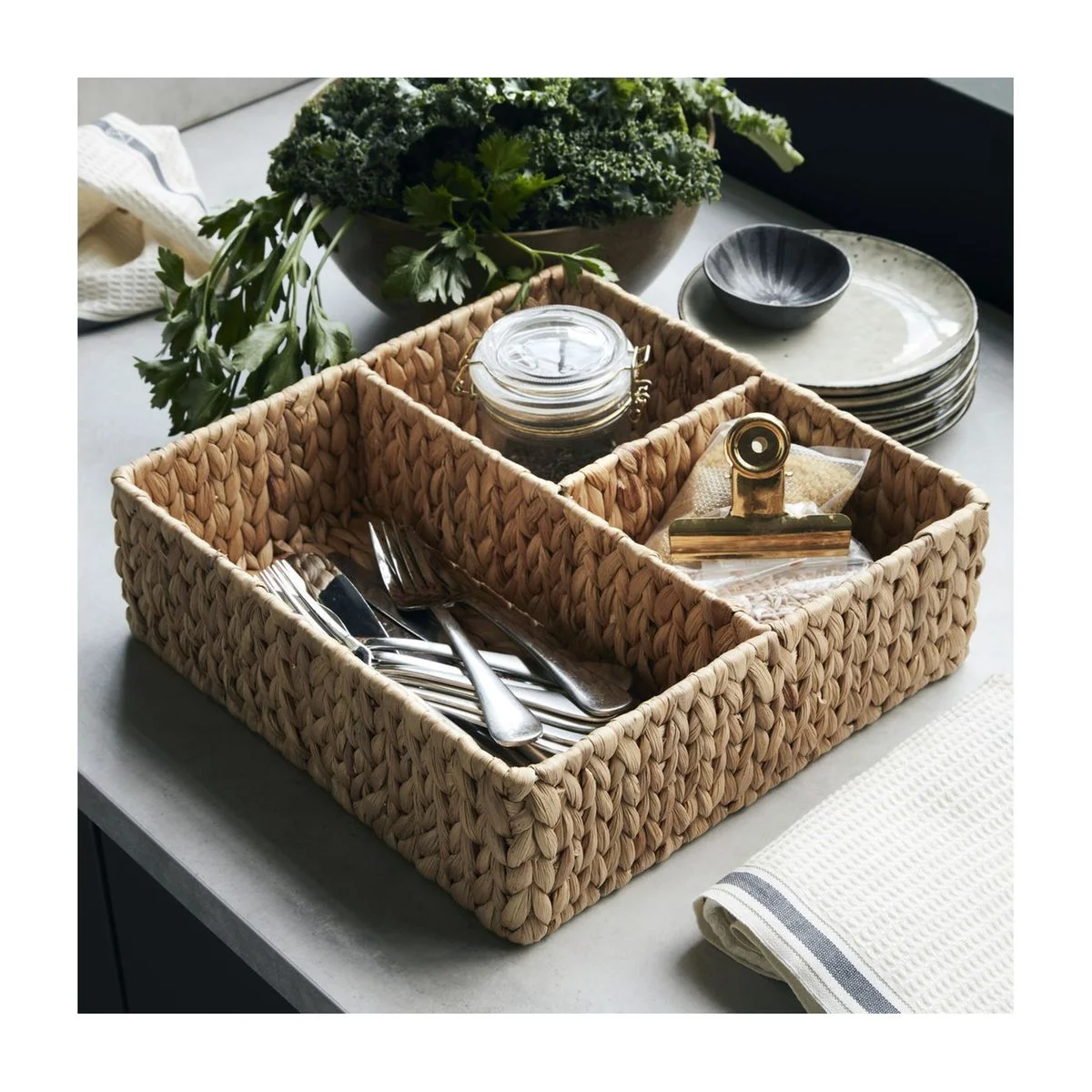
The opportunity goes beyond those two materials. Water hyacinth, seagrass, palm leaf, and other plant fibers can become baskets, planters, trays, storage pieces, lighting, table accessories, and decorative homeware. Each material carries its own texture and character. That natural variation is precisely what many customers value.
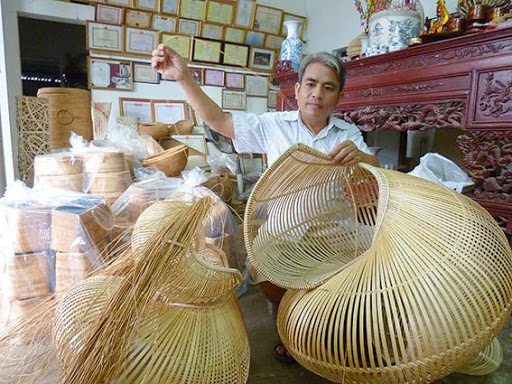
The deeper advantage is human knowledge. Experienced makers understand how a fiber behaves when it is split, dried, dyed, woven, shaped, and stored. A drawing may show dimensions, but an artisan knows how tension changes a curve or how a reinforced rim helps a basket keep its form.
Vietnam is also attractive to brands that want original collections rather than generic catalog products. A capable Vietnam handicraft supplier can interpret reference images, technical drawings, target prices, packaging limits, and brand details to develop a product that feels distinctive.
Still, natural materials and manual skill do not automatically produce a reliable supply chain. Vietnam’s Ministry of Industry and Trade has noted that global buyers increasingly expect stable volume, consistent quality, material traceability, and environmental responsibility.
The ministry also highlights Vietnam’s abundant bamboo and rattan resources while explaining that sustainability is now judged across the full value chain, not only in the final product. That is why supplier selection must consider systems as carefully as craftsmanship. Buyers can explore this broader market perspective through the Ministry of Industry and Trade.
Buyers sometimes treat these three models as a simple ranking, with factories at the top and everyone else below. Reality is more nuanced. Each model can work well when its role is clear.
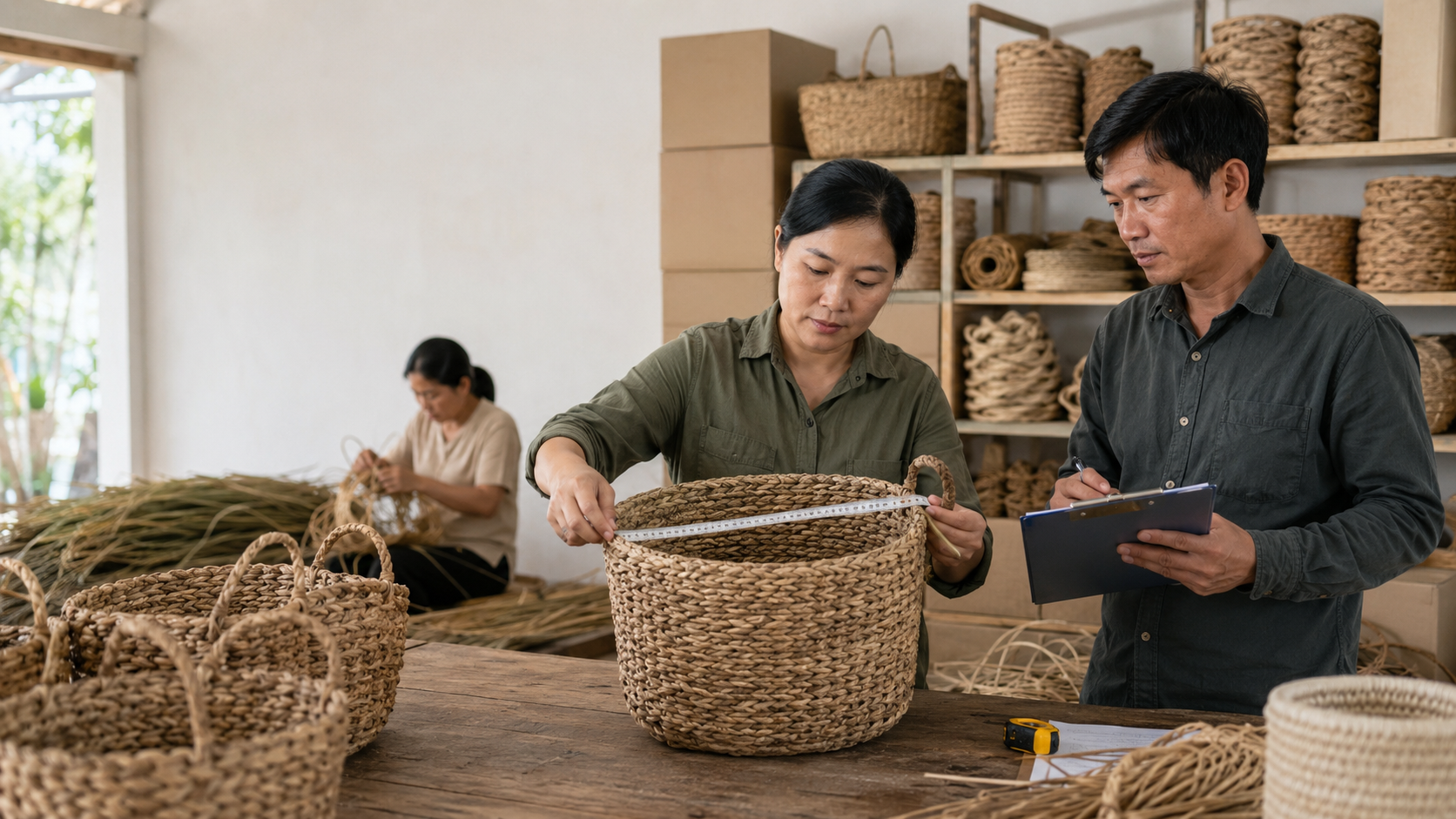
A manufacturer controls meaningful production stages. Depending on the product, those stages may include material selection, drying, treatment, frame preparation, weaving, shaping, trimming, finishing, inspection, and packing.
The important word is control.
A business does not need to own every machine or employ every artisan under one roof. Handicraft production often involves specialist households or satellite workshops. What matters is whether the supplier can name each production location, set the specification, monitor the work, inspect the result, and take responsibility for the finished order.
When evaluating a handicraft factory Vietnam search result, ask which steps happen at the registered facility, which steps happen elsewhere, and who approves the product before packing.
A trading company buys from one or several producers and sells to the buyer. This can be useful when an order contains many materials or categories. A good trader may offer a broader assortment, consolidated shipments, and strong export administration.
The risk appears when the trader presents borrowed production images as its own factory or cannot identify where the goods are made. The issue is not the business model. It is the lack of transparency and control.
A sourcing agent works on behalf of the buyer. The agent may search for factories, compare quotations, arrange samples, visit production sites, coordinate inspections, and follow shipments.
This model can help a buyer who needs local support or wants to source across several factories. Before engaging an agent, clarify how the agent is paid, whether it receives commissions from suppliers, who signs the sales contract, and who carries responsibility for quality claims.
Whatever model you choose, request a simple production map. It should show where raw materials come from, where each major step happens, who performs quality control, and where export packing takes place.
A clear production map often reveals more than an impressive company profile.
A trustworthy supplier is comfortable sharing its legal company name, enterprise code, registered address, production address, and the name of the person authorized to sign commercial documents.
Vietnam’s National Business Registration Portal allows users to search basic legal information such as enterprise name, code, status, representative, address, and registered business lines.
Compare those details with the quotation, invoice, bank account, website, and factory signage.
If the registered office and production site are different, that is not automatically a concern. Ask for both addresses and the reason for the difference. Then verify the production site through a live video call, a visit, or an independent inspection.
Sampling is not merely a chance to see whether a product looks attractive. It is where both sides turn a design idea into an agreed production standard.
A capable sample team should record dimensions, materials, weave pattern, color reference, construction details, weight range, finish, logo placement, packing method, and any acceptable handmade variation.
Comments should lead to a revised sample or a written approval record.
Be careful when a supplier rushes to approve a vague reference image. Thoughtful questions during sampling are a good sign. They show that the team is identifying risk before production begins.
Natural fiber products begin long before weaving. Material species, harvest timing, drying, storage, moisture, color sorting, and treatment can influence appearance and durability.
Ask how materials are received and inspected. Look for dry storage, separation from wet floors and walls, clear lot identification, ventilation, and a method for managing moisture.
If a product combines iron, wood, fabric, or leather, ask how those components are sourced and checked as well.
A natural fiber homeware manufacturer should be able to explain why one material suits a particular structure, not simply say that every material can make every shape.
Final inspection alone is rarely enough. By the time a weak frame or incorrect weave reaches the packing table, much of the order may already be affected.
Reliable control usually includes material inspection, approval of an initial production piece, checks during weaving, measurement and appearance review, moisture checks where relevant, function tests for handles or lids, and a final inspection before shipment.
Ask to see the actual inspection form used for your product category. It should define what is checked, how many pieces are checked, what tolerance applies, who records the result, and what happens to rejected goods.
Photographs should show the product, the measuring method, the date, and the order reference.
An experienced Vietnamese handicraft exporter should understand commercial invoices, packing lists, shipping marks, carton measurements, certificates of origin when applicable, and the handover process to a freight forwarder.
Experience in one market does not guarantee readiness for another.
Plant based materials may face destination specific biosecurity requirements. The United States Department of Agriculture explains that import conditions vary according to the exact commodity and country of origin. Importers should therefore review the current requirements through the Agricultural Commodity Import Requirements system.
The APHIS guidance updated in April 2026 also explains that relevant plant and wood products may be subject to permits, treatment requirements, wood packaging rules, or a Lacey Act declaration.
For bamboo products entering the United States, cultivated bamboo may qualify for an exception from the declaration requirement. Products made from bamboo harvested from wild sources, or from material with an unknown source, may require a declaration when their tariff code appears in the APHIS implementation schedule. Buyers should check the current Lacey Act declaration requirements before shipment.
Australia applies its own import conditions to timber, bamboo, and related products. Importers can review the relevant product categories and use the BICON system through the Australian Department of Agriculture.
The manufacturer should support the necessary product information, but the importer should still verify destination rules with a customs broker or relevant government authority.
Good packaging protects more than the product surface. It must consider compression, movement, humidity, container space, retail presentation, and the way cartons will be handled at the destination.
Ask for the packing method before approving the quotation. Confirm units per carton, nesting arrangement, protective materials, carton size, gross weight, shipping marks, barcode position, and any drop or compression test required by your business.
For baskets and other volumetric goods, packing efficiency can materially change landed cost. The lowest unit price may not be the lowest total cost if the products consume unnecessary container space.
Good communication is not measured by instant replies alone. It is measured by clarity.
A reliable team summarizes decisions, marks revisions, confirms open questions, warns the buyer when a request affects cost or timing, and distinguishes confirmed facts from estimates.
When a problem occurs, the team explains the cause, the affected quantity, the corrective action, and the date of the next update.
The strongest wholesale handicraft manufacturer is not the one that promises everything. It is the one that knows when to say, “We need to test this first.”
Documents matter because they turn verbal confidence into something that can be checked.
Yet a folder full of certificates is not proof by itself. Names, addresses, scope, dates, and issuing bodies must all match the supplier and the product under discussion.
Request the enterprise registration document and enterprise code. Compare the legal name, representative, address, and current status with the National Business Registration Portal.
The seller named on the contract should also make sense in relation to the beneficiary bank account.
If the production site is not the same as the registered office, ask the supplier to document the relationship between the two locations.
Ask only for certifications relevant to your product, market, or purchasing policy.
Check the certified entity, production site, scope, issue date, expiry date, certification body, and accreditation details.
For accredited management system certificates, IAF CertSearch can help buyers review the certificate status, scope, certified location, certification body, and accreditation body.
A certificate logo in a presentation should never replace direct verification.
A useful test report should relate to the actual material and construction you intend to buy.
Check the product description, sample date, test method, result, laboratory, report number, and whether the tested sample truly represents the order.
Requirements vary according to the market and intended product use. Children’s items, food contact products, lighting, furniture, and decorative baskets do not share the same testing needs.
Confirm the appropriate testing plan with a qualified laboratory or compliance adviser before production.
For plant based products, request material names, source locations where appropriate, supplier records, treatment information, and any documents required by the destination market.
Traceability does not need to begin as a complicated software system. A consistent record that connects material lots with purchase orders is already valuable.
If bamboo or another plant material is used, ask whether it came from cultivated or wild sources. This information may influence declaration and traceability requirements in certain markets.
Ask for the quality policy, sample approval record, product specification, inspection checklist, defect classification, and complaint procedure.
These operational records often reveal more about daily production discipline than a framed certificate.
A quotation is only meaningful when the supplier understands what it is pricing.
Send a clear product brief and ask questions that reveal both cost and production risk.
Do not ask only for the total MOQ.
A supplier may accept a practical total quantity but still require a minimum for each shape, color, or material.
If you want mixed SKU production or a consolidated shipment, ask which combinations are possible and how they affect cost.
Confirm the sample fee, development time, number of revisions, courier cost, approval method, and whether the approved sample will be retained as a production reference.
Ask what happens if the sample requires a new frame, mold, dye recipe, or packaging trial.
A reliable sample process should finish with a written specification that both parties can use during bulk production and final inspection.
Agree on dimensional tolerance, color range, weight range, weave appearance, shape, and permitted natural marks.
Handmade does not mean undefined.
A fair tolerance protects the character of the product while giving inspectors a clear decision standard.
Ask about material drying, storage, production conditions, moisture measurement, treatment method, final checks, carton condition, and container loading.
Request the name and safety information for any treatment substance used. Never accept “anti mold treatment” as a complete answer.
A serious supplier should be able to explain where moisture is measured, which limit applies, how the reading is recorded, and what happens when a product does not meet the agreed requirement.
Separate sample time, material preparation, production, inspection, packing, and shipping arrangements.
Ask how seasonal weather, artisan availability, public holidays, and order complexity may affect the schedule. Then agree on progress updates before the shipping date becomes urgent.
A short promised lead time has little value if it does not account for material drying or sample approval.
Confirm the currency, price basis, Incoterms rule and named place, payment schedule, bank charges, sample costs, mold costs, inspection costs, and the period for which the quotation remains valid.
Make sure the beneficiary account belongs to the contracted entity or has a documented explanation.
The quotation should also identify what is not included. Testing, special packaging, barcode labels, fumigation, inspection, and inland transport can materially affect the final cost.
Agree on the inspection standard, evidence required for a claim, response time, cause analysis, replacement or credit options, and any limit on the claim period.
This conversation feels uncomfortable only when it happens too late.
A supplier does not need to promise that problems will never occur. It should show that problems will be recorded, investigated, and resolved through a clear process.
The supplier avoids sharing a full address, refuses a live walkthrough, or shows only a showroom.
A real manufacturer should be able to explain where the order will be made and where it will be packed.
If production is distributed among several workshops, the supplier should disclose those locations and explain how quality is controlled across them.
The catalog shifts between different photography styles, watermarks, backgrounds, and quality levels.
Use reverse image search for several important product photographs. Ask for new images showing the requested product together with the supplier’s company name and the current date.
Copied photographs do not automatically prove that a company is fraudulent, but they do mean that the images cannot be accepted as production evidence.
A supplier gives a firm price within minutes despite missing dimensions, material details, construction, quantity, finish, packaging, and destination.
Speed can feel reassuring, but an unsupported price often changes later or hides important assumptions.
A thoughtful supplier usually asks questions before committing to a final price.
The company name is different, the address does not match the production site, the certificate has expired, the scope is irrelevant, or the issuing body cannot confirm it.
Ask for clarification before treating any certificate as evidence.
The certificate should be relevant to the entity and location that will make your products. A valid certificate belonging to another company within the same supply network may not cover your actual production site.
A lower price can come from better efficiency, but a dramatic gap deserves investigation.
Material grade, dimensions, weaving density, treatment, quality checks, packing, and commercial terms may not be equivalent.
Compare the full specification and landed cost before deciding that one supplier is genuinely cheaper.
The supplier resists a buyer visit, a live production review, or an independent final inspection without a reasonable explanation.
A partner confident in its process should welcome a fair and clearly defined inspection.
The supplier should also understand that an inspection is not a substitute for production control. Quality must be managed throughout the order rather than repaired at the final inspection stage.
When asked who controls the material, workshop, quality decision, or complaint, every answer points to another party.
Complexity is normal in handicraft production. Invisible responsibility is not.
A dependable partner should be able to name the person responsible for each important decision and explain how information travels between the buyer, factory, workshops, quality team, and packing team.
Viet Anh presents itself as a Ninh Binh based producer of homeware made from water hyacinth, seagrass, bamboo, rattan, and palm leaf.
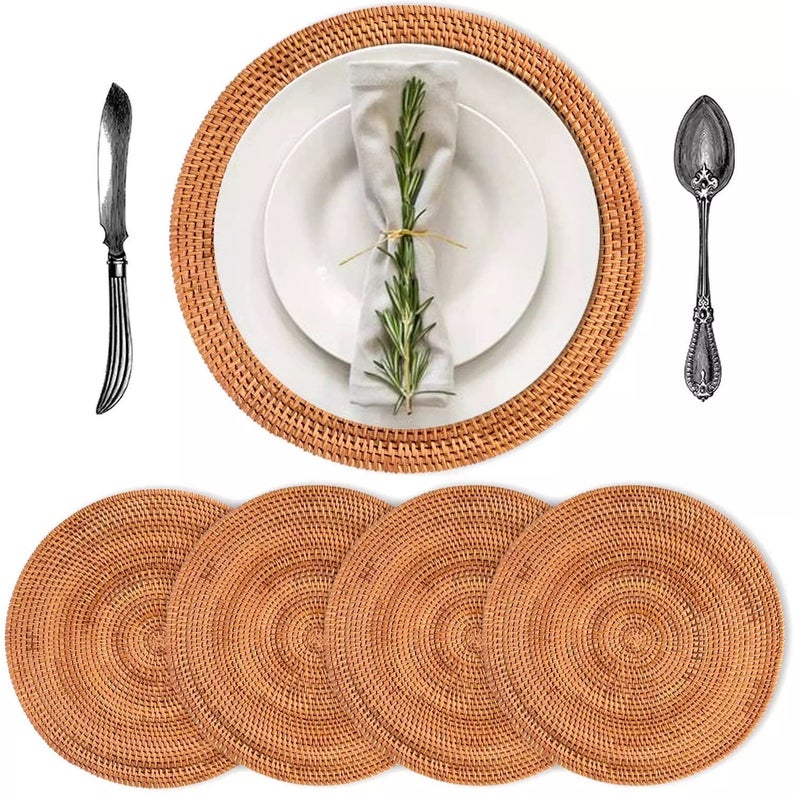
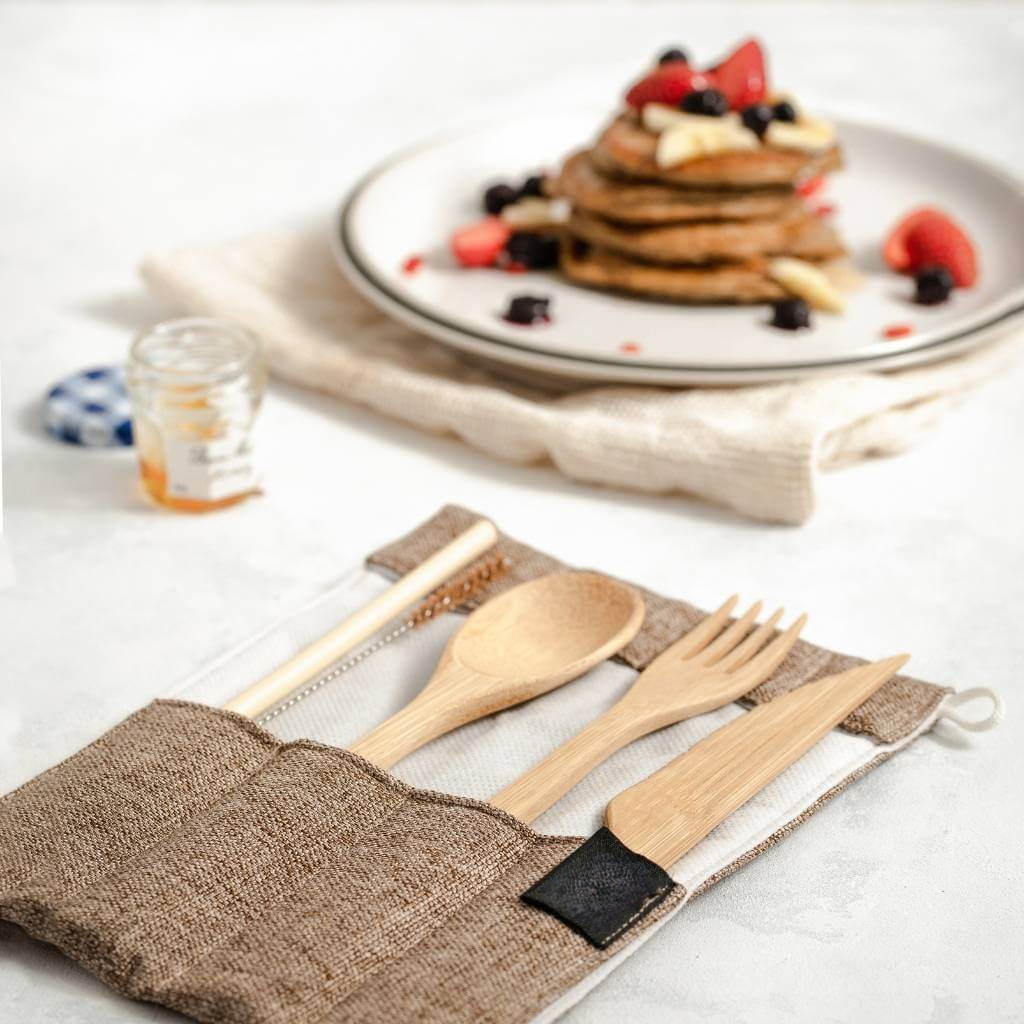
Its public collection includes baskets, planters, storage products, trays, tableware, and other woven pieces. Buyers can review the company’s background on the Viet Anh introduction page and explore the current product collection.
The useful question is not whether Viet Anh can describe itself with broad promises. It is how the team can make each sourcing decision visible.
Share reference images or drawings, dimensions, target material, intended use, quantity by SKU, destination market, desired delivery window, testing needs, packaging requirements, and target price when possible.
Viet Anh can then review which details are feasible, which details require testing, and which assumptions affect cost.
If a product includes a new shape or an unfamiliar material combination, the team should identify those development risks before providing a final production commitment.
The sample should establish material, construction, dimensions, color direction, finish, branding, and packing logic.
Comments should be recorded, and any approved change should become part of the product specification.
The approved sample should not remain an isolated object in a sample room. Its measurements, construction details, photographs, color references, and approved tolerances should become instructions that the production and quality teams can follow.
Before bulk work begins, both sides should confirm the production locations, critical quality points, acceptable handmade variation, moisture controls, inspection method, and approval responsibilities.
This is also the right time to identify any component or process handled by a specialist partner.
For each important quality characteristic, the plan should explain what will be checked, when the check will happen, who will record the result, and what action will be taken if the product falls outside the agreed tolerance.
Production updates should show actual order materials and products, not generic stock images.
Useful evidence includes dated photographs of incoming material, initial production pieces, checks during weaving, measurement records, moisture readings where relevant, rejected pieces, and final packing.
This does not mean sending an unstructured collection of factory photographs. Each image should connect to an order number, product code, production stage, or quality decision.
Clear context turns a photograph into useful production evidence.
Before shipment, confirm carton details, shipping marks, packing list data, final inspection results, container planning, and the product information needed for destination documents.
Any issue should be raised while there is still time to correct it.
For plant based handicrafts, the final document review should also consider the exact material, tariff classification, source records, treatment information, destination requirements, and any declaration or permit that may apply.
This evidence led process helps an international buyer evaluate Viet Anh through the work itself. It also creates a shared record that can support repeat orders, new collections, and more consistent communication over time.
A reliable supplier is not identified by the most polished catalog or the fastest quotation.
Look for a partner who can show where the product is made, how materials are controlled, how quality decisions are recorded, and how problems will be resolved.
When evidence supports every promise, sourcing handmade products from Vietnam becomes far more predictable and far more rewarding.
Start by checking the company’s legal name, enterprise code, representative, status, and address through Vietnam’s National Business Registration Portal.
Then verify the production site through a visit, live video, or independent inspection. Compare what you see with the quotation, contract, bank details, certificates, and sample records.
If several workshops are involved, ask the supplier to identify them and explain who controls production at each location.
There is no universal MOQ.
It depends on material preparation, frame or mold needs, weaving time, color, packaging, and order mix.
Ask for the minimum by design, size, and color, as well as the total order minimum. Buyers testing a new collection should also ask whether mixed SKU production is possible.
Many suppliers support custom development, but capability varies.
Evaluate the questions they ask, the clarity of sample records, their ability to explain construction, and how revisions are controlled.
A good sample is only the beginning. The approved details must be transferable to bulk production.
Neither model is always better.
A factory may provide closer production control, while a trading company may offer a broader range and easier consolidation.
Choose the partner that clearly discloses production locations, responsibilities, costs, and quality controls.
Control should begin with dry raw materials and continue through storage, production, final inspection, packing, and container loading.
Agree on a moisture control method, ask for treatment details, inspect carton condition, and avoid treating a chemical application as the only solution.
Buyers should also confirm how moisture readings are recorded and how products that exceed the agreed limit are handled.
Common commercial documents include an invoice, packing list, transport document, and certificate of origin when applicable.
Plant based materials, wooden components, product use, tariff classification, and destination market may create additional requirements.
Confirm the current document list with your customs broker and the relevant government authority before production.
Often yes, but mixed SKU orders require planning.
Confirm the minimum per item, production schedule, carton labels, packing list structure, container utilization, and whether products from more than one production location must be consolidated.
Send product images or drawings, dimensions, materials, quantity by SKU, destination, packaging expectations, compliance needs, target delivery window, and any target price.
The clearer the brief, the more useful the quotation and production risk review will be.